Most of the time, learning JavaScript can feel abstract, especially at the initial stage. You watch several videos and read explanations but still can’t make much sense of everything. That’s how it often feels until you actually build something.
Building a simple probability game is a perfect first project, and it is also suitable for programming classes with children. It doesn’t require advanced math or fancy design. It teaches you how JavaScript thinks, reacts, and makes decisions.
What a Simple Probability Game Teaches You
Probability games are often the perfect fit for beginners because they demonstrate how real programs behave. A system receives input, makes a decision, and produces an outcome. That’s the same pattern you see in forms, games, apps, and even backend services.
In a probability game, both the computer and the player make a random choice. JavaScript then compares the two and decides what happens next. The single loop teaches you randomness, conditions, and feedback, all without overwhelming syntax. Once you understand how this works, you are one step closer to mastering JavaScript.
The randomness here is similar to what you will find in online casino games. The outcome of these games are random and this lends credibility to them. Meanwhile, players who want to try these games in Germany can take advantage of offers such as the no deposit bonus as it allows them to play without first committing any money upfront. Players can check reviews and guides such as https://bonushafen.de/casino-bonus/bonus-wild-fortune-casino/ to see a highlight of these incentives and the platforms that offer them. The website allows you to use probability to your advantage, as the casino experts compare the offers with the best winning chances based on their bonus requirements.
Start with the Right Mindset as a JavaScript Beginner
Before writing any code, it helps to reset your expectations. Your first JavaScript project is not meant to be impressive. You just need to finish it.
Many beginners get stuck trying to build complicated things too early. They focus on visuals or features instead of understanding the logic. The real skill you’re learning here is problem-solving. If your game works and you understand the logic of the code, you’re already doing well.
Step-by-Step Guide to Planning Your First JavaScript Game
Good JavaScript projects start with thinking, not typing. Planning keeps beginners from getting lost halfway through.
Step 1 – Define a Game Rule
Your game should have one clear rule. For example, the player guesses between two options and either wins or loses. That’s enough.
Avoid multiple rules, scores, or levels at the start. Every extra rule adds mental load. On the other hand, simple rules help you focus on how JavaScript processes decisions.
Step 2 – Decide What Needs to Be Random
Probability means unpredictability, but it also means fairness. Decide what the computer controls.
In a basic game, this could be a random number or a random choice. The important part is that the outcome is not influenced by previous rounds. Each turn stands alone. This mirrors how many digital systems work, from games to simulations.
Step 3 – Decide What the Player Can Control
JavaScript becomes interesting when users interact with it. Decide what choices players make. This could be as simple as clicking a button, selecting an option, or entering a value. The choice is the player’s input, and JavaScript reacts to it. Understanding this input-response cycle is a lesson you cannot afford to miss as a JavaScript beginner.
Step 4 – Decide How Results Are Shown
Finally, decide how the game should respond. Does it show a message? Does it update text on the screen? Does it log something in the console?
Feedback matters. It helps the player understand what happened while also allowing you, the developer, to know whether your logic actually works.
Understanding Probability Through Real-World Examples
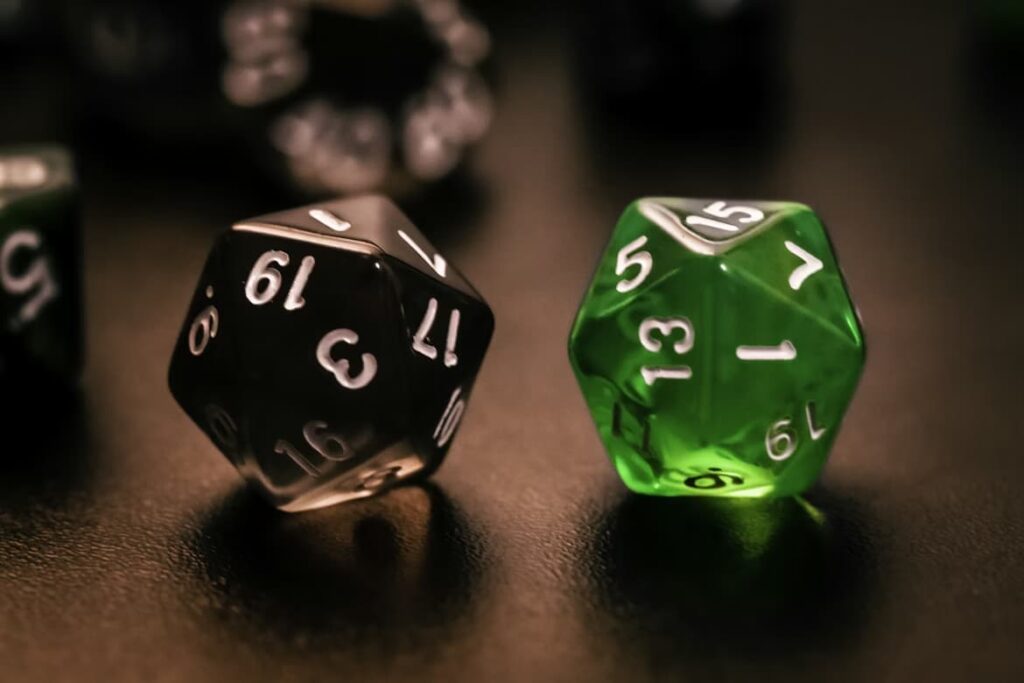
Probability doesn’t exist only in games or math problems. It is something we encounter almost everywhere in digital systems, where outcomes come with a level of uncertainty.
For example, many online platforms use probability to determine rewards or offers. A common example is a no-deposit casino bonus, which is a type of incentive that allows users to try a system without any upfront risk. While the outcomes feel unpredictable, looking behind the scenes reveals that the system actually follows clear rules and controlled randomness.
Turning Your Game Plan into JavaScript Logic
Once your plan is clear, the code becomes much easier to write.
Using Variables to Store Choices and Results
Variables act like labeled boxes that hold information. In your game, they store the player’s choice, the random outcome, and the result. Instead of juggling values in your head, variables let JavaScript remember things for you. This keeps your logic clean and readable.
Using Random Numbers to Drive Outcomes
JavaScript generates randomness using Math random. For beginners, the key idea isn’t the formula. It’s understanding that randomness creates different results while following the same rules. Every time the game runs, the computer generates a fresh outcome. That’s what makes the game feel alive.
Using Conditions to Decide Wins and Losses
Conditions answer simple questions. Did the player guess correctly? Did the random value fall within a range? if statements let JavaScript choose what happens next. This decision-making process is at the primary focus of all interactive programs.
Repeating the Game Without Reloading the Page
A good beginner project lets the player try again. Resetting values and running the logic again teaches you how programs loop without restarting. This concept appears constantly in real applications, from form validation to live updates.
Final Thoughts
Remember that the most important aspect of your first JavaScript project isn’t complexity but value. A simple probability game teaches logic, randomness, and interaction in a way that tutorials often cannot.
Finish something small. Understand why it works. Then build the next thing. That’s how JavaScript stops feeling intimidating and starts feeling usable.